


Simply getting a breast cancer diagnosis is good enough reason to seek a second opinion. Most people think nothing of shopping around before buying a car, renovating their home, or making some other major purchase. In the case of a cancer diagnosis, it can be helpful and even critically important to get another opinion before you make decisions about treatment.
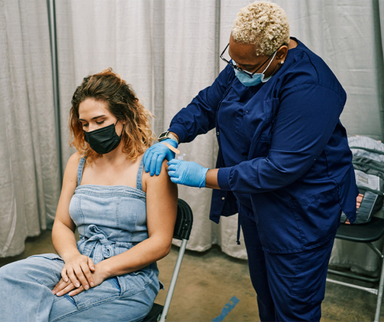
Hyperplastic axillary nodes are common after the administration of a vaccine that prompts a strong immune response, including the current COVID-19 vaccines. Consequently, radiologists should keep this side effect in mind when viewing breast images, said the team led by Nishi Mehta, M.D., a Weill Cornell body and breast imaging fellow.

Pathologists are doctors responsible for looking at your tissue sample under the microscope. This allows them to assess the cells for abnormalities that could lead to the diagnosis of breast cancer.

Being thrust into a whirlwind of shock, confusion, anger after a breast cancer diagnosis can feel like a lesson in losing control. So, we asked around the Rethink community and came up with a list of considerations to keep in mind to help those who are newly diagnosed reclaim a sense of agency during this time.

Breast cancer is one of the most common cancers. Almost 25 percent of people newly diagnosed with cancer have breast cancer. One in 5 people with breast cancer have a type called HER2-positive.

That's what a nurse told my wife and me after my wife was diagnosed with stage 2 breast cancer.

Los cánceres de seno triple negativos no contienen receptores de estrógeno ni de progesterona. Tampoco producen exceso de proteína HER2. Debido a que las células cancerosas carecen de estas proteínas, las opciones de tratamiento para el cáncer de seno triple negativo son limitadas.
What is triple-negative breast cancer?
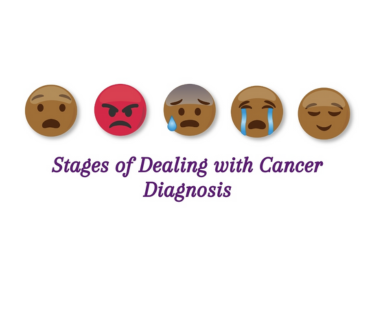
People often experience a wide range of emotions with breast cancer, and these can change with different stages in the journey. What might you or a loved one expect at the time of diagnosis, during treatment, and on to survivorship?

In a study published in Cancer Research, BCRF researchers Drs. Jill Bargonetti and Funmi Olopade report a possible new treatment strategy that targets vulnerabilities in triple-negative breast cancer (TNBC), a particularly aggressive form of the disease with limited treatment options.