

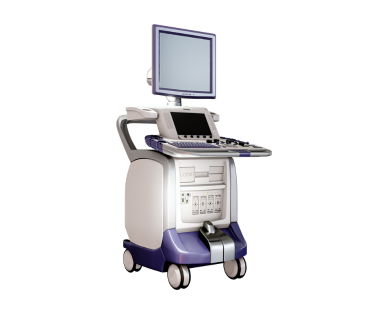
About half of all women have dense breasts, which can increase the risk of breast cancer and may make cancer harder to find on a mammogram.
Sometimes blood tests that check for proteins called antigens can be used to help monitor cancer treatment response or to detect a recurrence.

Hormonal therapy, also called anti-estrogen therapy, endocrine therapy, or hormone therapy, is used to treat all stages of hormone receptor-positive breast cancer.

Fred Hutch research finds some supplements offer little benefit, some may increase cancer risk and some can interfere with treatment.

Breast cancer affects all women, but black women face unique challenges and may face unequal care. Despite advancements in cancer care,

It’s a long-standing myth that breast cancer only affects older women. And it’s not hard to see why, considering the fact that the median age at the time of breast cancer diagnosis is 62 and a very small number of women are diagnosed at a young age.

As more young women are diagnosed with breast cancer, they may also face unique challenges.

When treating breast cancer that’s spread to the cerebrospinal fluid, proton therapy controlled the cancer better than traditional X-ray radiation.

Now a world-first trial involving patients from the US, UK, Australia, France, Canada and Israel has found that a structured exercise regime after treatment can dramatically reduce the risk of dying, the disease returning or a new cancer developing.

Breakthroughs in treatment and support are helping more people manage MBC for years.