


I was in my happy place...twelve miles out to sea, wrapping up a week-long vacation on an island off the coast of Maine...
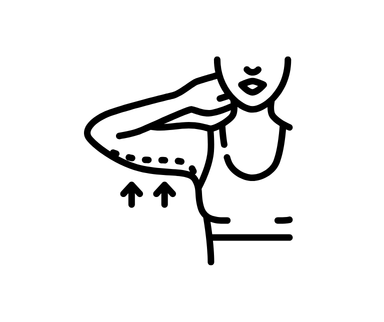
Axillary web syndrome (AWS), also known as cording, sometimes develops as a side effect of sentinel lymph node biopsy (SLNB) or axillary lymph node dissection (ALND).

The financial effects of cancer can affect your family and future plans, whether you are paying for ongoing treatment or receiving care for post-treatment side effects, called late effects.

There are several types of intravenous (IV) catheters that are used to deliver cancer treatments and other fluids to your body. A port is implanted during a short surgery, where it can stay until you complete your treatments.

Ginger may help reduce chemo-induced nausea and vomiting, but it may not be safe for everyone.

Believe. This word became important to me during my breast cancer treatment, perhaps because it was the holiday season and I am always a sucker for Santa Claus.
Sometimes blood tests that check for proteins called antigens can be used to help monitor cancer treatment response or to detect a recurrence.

After breast surgery, surgical drains help prevent complications by removing excess fluid...Knowing how to manage these drains will make it easier to heal and recover.

Roxanne Caletena recalls the day she got diagnosed and the changes she had to make to her life plan.

Hormonal therapy, also called anti-estrogen therapy, endocrine therapy, or hormone therapy, is used to treat all stages of hormone receptor-positive breast cancer.