

For the 3 million U.S. women who are survivors of breast cancer –not to mention the 266,000 women expected to be diagnosed this year –understanding the links between breast cancer and heart disease is critical.
Having support from your loved ones is important, but with time I’ve learned that being kind to myself is just as important for managing the condition and enjoying a good quality of life.
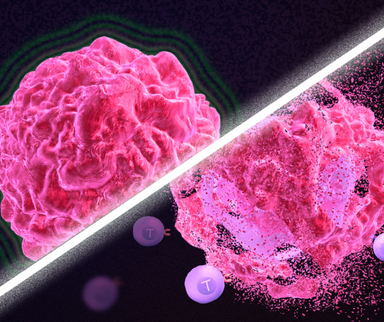
If chemotherapy is part of your treatment plan, you and your doctor should review the medications you’ll have and discuss potential effects on your immune system.

Red dresses and pink ribbons have helped millions of Americans become aware of the separate tolls heart disease and breast cancer take on women. But not everyone is aware of how the illnesses can intersect.
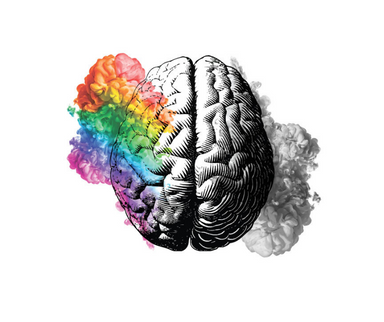
During and following breast cancer treatment some people find it difficult to concentrate or feel more forgetful. This is sometimes referred to as ‘chemo brain’ or ‘chemo fog’.
It usually improves over time after treatment has finished, but for some people it can continue. It can be very frustrating and have a big impact on daily life.

Studies have shown that exercise may help reduce the risk of recurrence in cancer patients. It has also been shown to help elevate mood, reduce anxiety, improve sleep, boost energy, and help reduce symptoms of treatment-related side effects, such as neuropathy.

We can often feel like we have lost control over so many facets of our lives after being diagnosed with breast cancer, but I personally found that the more tasks I was able to take care of before starting treatment, the more I felt like I could maintain a little bit of that control.

Since chemotherapy knocks down the immune system, are there any foods you would tell people to avoid during chemotherapy?
If you're facing a major illness or stressful life change, you don't have to go it alone. A support group can help. Find out how to choose the right one.

Interested in learning more about how to best care for your wig?