


When the doctor says it’s okay to begin moderate exercise, swimming is one of the best first steps.

Ginger may help reduce chemo-induced nausea and vomiting, but it may not be safe for everyone.

Mental health is rarely addressed in treatment, but hope and healing are possible.
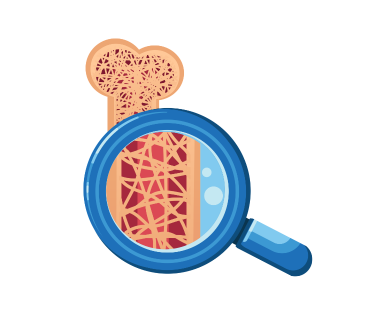
Doctors commonly recommend certain lifestyle changes and medicine to treat osteoporosis and osteopenia.

Although they can be lifesaving, breast cancer treatments can lead to various gastrointestinal (GI) issues. These side effects can vary in intensity from mild to severe and can significantly affect a person’s quality of life.

A healthy diet is only one of several factors that can affect the immune system; exercise and stress management are equally as important in improving one’s overall health and well-being.

If you’re having hot flashes, there are steps you can take to relieve symptoms.

Now a world-first trial involving patients from the US, UK, Australia, France, Canada and Israel has found that a structured exercise regime after treatment can dramatically reduce the risk of dying, the disease returning or a new cancer developing.

Yoga therapy is tailored to the needs of individuals who are managing health conditions, including cancer...

Vitamins and dietary supplements can help you get the micronutrients your body needs to stay strong during a cancer diagnosis, but when it comes to breast cancer treatment, it’s important to discuss safety and appropriate use with your doctor first.