


Mental health is rarely addressed in treatment, but hope and healing are possible.

Scanxiety is a common response to having scans. Everyone has different amounts of scanxiety. Some people feel mild (slight) worry, while others feel strong panic or distress.
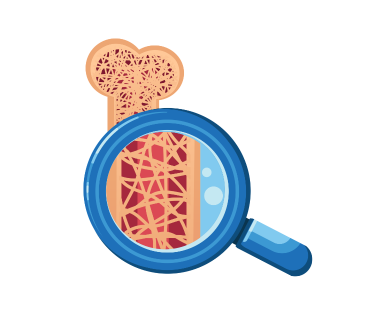
Doctors commonly recommend certain lifestyle changes and medicine to treat osteoporosis and osteopenia.

Although they can be lifesaving, breast cancer treatments can lead to various gastrointestinal (GI) issues. These side effects can vary in intensity from mild to severe and can significantly affect a person’s quality of life.

A healthy diet is only one of several factors that can affect the immune system; exercise and stress management are equally as important in improving one’s overall health and well-being.

If you’re having hot flashes, there are steps you can take to relieve symptoms.

Now a world-first trial involving patients from the US, UK, Australia, France, Canada and Israel has found that a structured exercise regime after treatment can dramatically reduce the risk of dying, the disease returning or a new cancer developing.

A lot of people who’ve gone through breast cancer treatment struggle with what they see in the mirror.

DIEP flap is one of several breast reconstruction options. Another option is implant reconstruction, which involves placing a breast implant above or under the chest muscle and skin after mastectomy.

Breast cancer recurrence rates vary by age, type, treatment, and genetics. Experts advise that those in remission monitor their health and watch for changes in breast tissue or nipples that may indicate recurrence.