


It’s estimated that between 5 to 10 percent of breast cancers result from inherited gene variations. Genetic testing can help detect gene variations that raise your risk of developing breast cancer.

After you get a breast cancer diagnosis, it likely won’t be long before your doctor starts talking to you about lymph nodes. Lymph node involvement is an important part of staging and treatment with breast cancer.
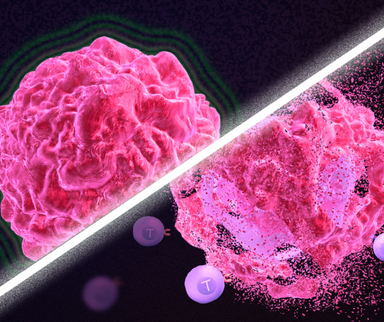
If chemotherapy is part of your treatment plan, you and your doctor should review the medications you’ll have and discuss potential effects on your immune system.

Breast cancer is one of the most common cancers. Almost 25 percent of people newly diagnosed with cancer have breast cancer. One in 5 people with breast cancer have a type called HER2-positive.

All women have BRCA1 and BRCA2 genes, but only some women have mutations in those genes.
Most of those diagnosed with breast cancer wonder if there is some genetic influence. Medical practitioners look at family history of cancer to see if genetic testing is indicated.
- ← Previous
- 1
- 2 (current)
- Next →