


A recent American Cancer Society (ACS) report, “Breast Cancer Facts & Figures, 2024-2025,” found that Black women have a 5% lower breast cancer incidence than white women, but a 38% higher mortality rate.
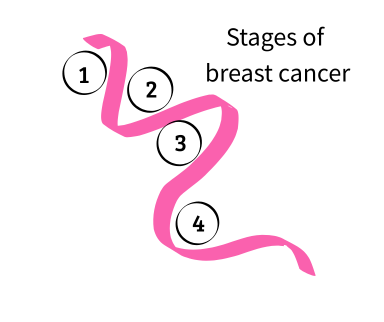
Once a person is determined to have a malignant tumor or the diagnosis of breast cancer, tests are done to find out if cancer cells have spread within the breast or to other parts of the body.
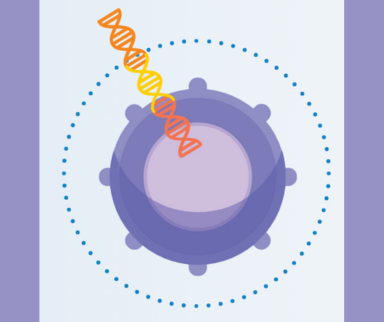
NYOH Makes Capital Region History with the First Commercial CAR-T Cancer Treatment Locally

Report shows significantly improved survival rates but a steep increase in diagnoses among women younger than 50.

Thermography is a test that uses an infrared camera to detect heat patterns and blood flow in body tissues. However, it should NOT be considered a good substitute for a mammogram.

If you’ve received a diagnosis of invasive breast cancer, a doctor will test your cancer to determine its HER2 status. The test results will help inform which treatment options are best for your cancer.

The 2023 American Society of Clinical Oncology (ASCO) conference in Chicago brought together more than 40,000 people engaged in all aspects of cancer research, care, and advocacy.

Researchers have developed a drug that so specifically targets a deadly kind of breast cancer that there are little to no toxic side effects. Next, it will be tested in phase 1 clinical trials in humans.

NCI-funded researchers are working to advance our understanding of how to prevent, detect, and treat breast cancer. They are also looking at how to address disparities and improve quality of life for survivors of the disease.

Researchers are working on a first-of-its-kind vaccine to prevent triple-negative breast cancer (TNBC) from developing.