

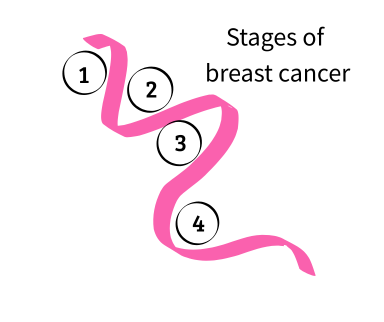
Once a person is determined to have a malignant tumor or the diagnosis of breast cancer, tests are done to find out if cancer cells have spread within the breast or to other parts of the body.
NYOH Makes Capital Region History with the First Commercial CAR-T Cancer Treatment Locally

Although it is rare, men can get breast cancer.

Chemobrain is a symptom reported by many cancer patients with difficulty processing information. It is a legitimate, diagnosable condition...

The findings in the American Cancer Society’s annual report, Cancer Statistics, 2025, show a mixed trend in cancer incidence and mortality rates.

Report shows significantly improved survival rates but a steep increase in diagnoses among women younger than 50.

Inflammatory breast cancer is a form of breast cancer that causes breast swelling and skin changes.

Thermography is a test that uses an infrared camera to detect heat patterns and blood flow in body tissues. However, it should NOT be considered a good substitute for a mammogram.

A new study in the Journal of Clinical Oncology shows that women receiving certain common therapies for breast cancer may be at increased risk for heart attack, stroke, heart failure, other cardiovascular events, and death.

Hearing you or a loved one has stage 3 breast cancer can lead to many questions — about diagnosis, survival, treatments, and more.