


Although they can be lifesaving, breast cancer treatments can lead to various gastrointestinal (GI) issues. These side effects can vary in intensity from mild to severe and can significantly affect a person’s quality of life.

A healthy diet is only one of several factors that can affect the immune system; exercise and stress management are equally as important in improving one’s overall health and well-being.

As more young women are diagnosed with breast cancer, they may also face unique challenges.

If you’re having hot flashes, there are steps you can take to relieve symptoms.

When treating breast cancer that’s spread to the cerebrospinal fluid, proton therapy controlled the cancer better than traditional X-ray radiation.

Now a world-first trial involving patients from the US, UK, Australia, France, Canada and Israel has found that a structured exercise regime after treatment can dramatically reduce the risk of dying, the disease returning or a new cancer developing.

Breakthroughs in treatment and support are helping more people manage MBC for years.

A recent American Cancer Society (ACS) report, “Breast Cancer Facts & Figures, 2024-2025,” found that Black women have a 5% lower breast cancer incidence than white women, but a 38% higher mortality rate.

DIEP flap is one of several breast reconstruction options. Another option is implant reconstruction, which involves placing a breast implant above or under the chest muscle and skin after mastectomy.
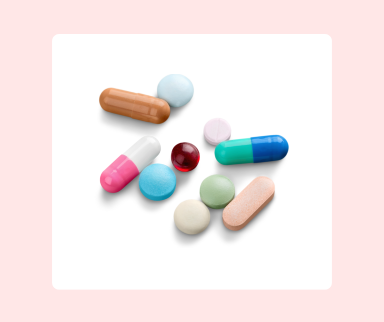
Addiction (also called substance use disorder) can occur in people who are diagnosed with breast cancer if they become dependent on a medicine used to help with the side effects of cancer or its treatment — such as pain, anxiety, or difficulty sleeping (insomnia).