


All breast cancer survivors live with the concern about a recurrence or a new cancer...Learning how to cope with fears of recurrence is important.

As you go through cancer treatment or recovery, you may be spending more time at home than you did in the past.

Mindfulness can significantly improve brain health and pain perception in breast cancer survivors, according to a small Canadian study.

Axillary web syndrome (AWS), also known as cording, sometimes develops as a side effect of sentinel lymph node biopsy (SLNB) or axillary lymph node dissection (ALND).

Overweight and obese women — defined as having a BMI (body mass index) over 25 — have a higher risk of being diagnosed with breast cancer compared to women who maintain a healthy weight, especially after menopause.

Finding your mindset is an important step toward facing cancer each day when you are undergoing chemotherapy. A mindset is a mental attitude or inclination—it acts like a filter through which we see the world and interpret events. It even affects how we view our own feelings.

Women recovering from breast cancer treatment typically have a lot of questions regarding when and how they should start exercising.
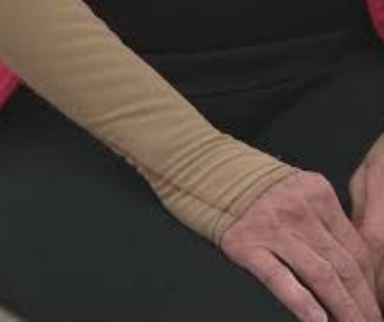
Lymphedema is a common side effect of cancer treatment. By learning about this diagnosis and its treatment options, communicating with your health care team, and surrounding yourself with a support network, you will be better able to manage your lymphedema and experience a better quality of life.

Is fitness advice for people with cancer changing?

Studies have shown that exercise may help reduce the risk of recurrence in cancer patients. It has also been shown to help elevate mood, reduce anxiety, improve sleep, boost energy, and help reduce symptoms of treatment-related side effects, such as neuropathy.
- ← Previous
- 1
- 2 (current)
- 3
- Next →