


Ginger may help reduce chemo-induced nausea and vomiting, but it may not be safe for everyone.

Fred Hutch research finds some supplements offer little benefit, some may increase cancer risk and some can interfere with treatment.
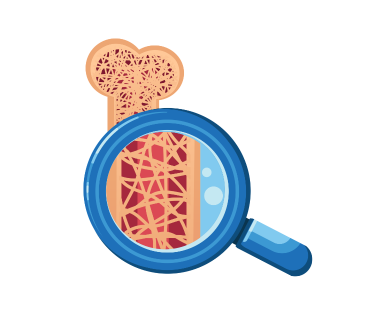
Doctors commonly recommend certain lifestyle changes and medicine to treat osteoporosis and osteopenia.

Although they can be lifesaving, breast cancer treatments can lead to various gastrointestinal (GI) issues. These side effects can vary in intensity from mild to severe and can significantly affect a person’s quality of life.

A healthy diet is only one of several factors that can affect the immune system; exercise and stress management are equally as important in improving one’s overall health and well-being.

As more young women are diagnosed with breast cancer, they may also face unique challenges.

If you’re having hot flashes, there are steps you can take to relieve symptoms.

Vitamins and dietary supplements can help you get the micronutrients your body needs to stay strong during a cancer diagnosis, but when it comes to breast cancer treatment, it’s important to discuss safety and appropriate use with your doctor first.

Breast cancer survivors face numerous challenges on their recovery journey, and lymphedema shouldn't be underestimated.

Breast cancer comes with challenges and changes—going through treatment, dealing with side effects, and fluctuating energy levels for starters...